
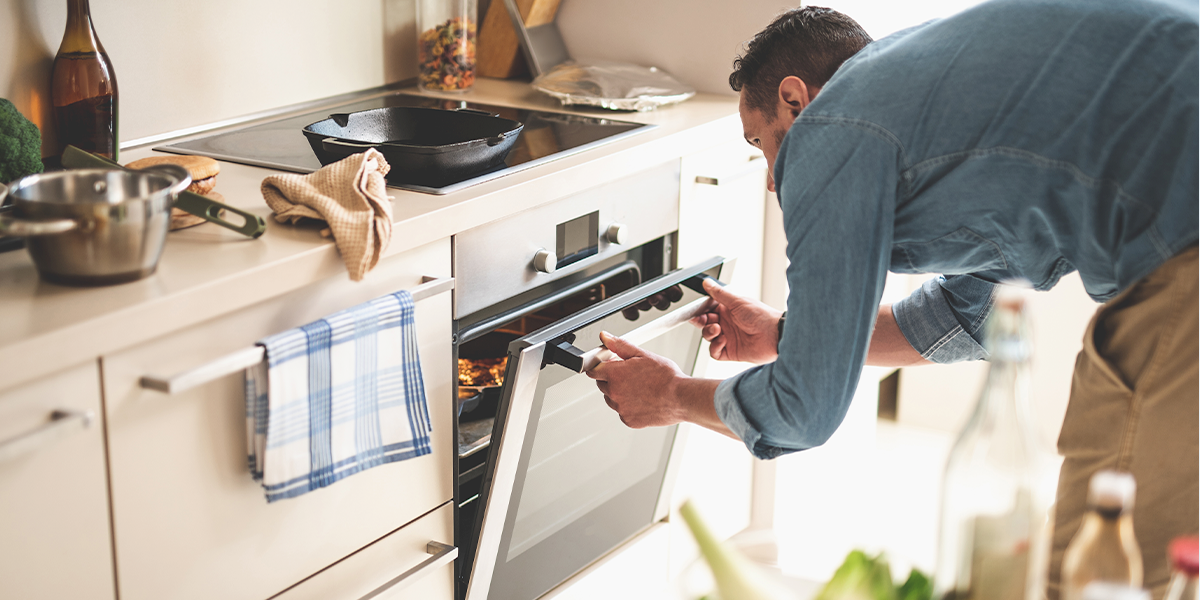
6 Common Reasons Your Oven Won’t Heat Properly
For home cooks and busy families, a malfunctioning oven can disrupt daily routines and meal prep. If your oven isn’t heating properly, it is often due to faulty heating elements, malfunctioning thermostats, defective igniters in gas units, damaged temperature sensors, worn door seals or electrical control panel issues. Knowing these six common causes before calling for expert oven repair in Columbus, OH, can help you restore your appliance to peak performance quickly.
1. Faulty Heating Elements in Electric Ovens
Heating elements generate cooking temperatures through metal coils that convert electrical current into heat. As these components age, they can develop cracks, burn spots or complete failures that severely impact cooking results.
Uneven heating patterns, extended preheating periods or visible element damage signal potential problems, though failures sometimes occur gradually, making issues difficult to detect until cooking becomes consistently poor. Dark spots or glowing sections indicate immediate replacement needs for safe operation.
Replacement elements are available for all major brands, including Samsung, LG, Frigidaire and Magic Chef, with proper installation preventing premature failure while restoring reliable operation.
2. Malfunctioning Thermostat
Your thermostat monitors heat levels and cycles the heating system on and off to maintain the set temperature. However, malfunctioning units create temperature swings that ruin recipes and waste energy.
Symptoms include overshooting target temperatures, failing to reach proper heat levels, or unpredictable fluctuations during cooking. Temperature issues often begin small, then worsen until control becomes completely unreliable.
While minor issues sometimes resolve through recalibration, damaged units need complete replacement to restore accuracy and cooking confidence.
3. Defective Igniter
Igniters must reach specific temperatures to ignite the main burners and generate cooking heat safely. However, weakening components can cause delayed lighting, insufficient heat production or complete ignition failure.
You may notice clicking sounds without flame, weak flames that don’t adequately heat the cavity or extended delays before ignition. Safety systems prevent gas flow when igniters malfunction, meaning complete failure results in no heat production. This protection safeguards your household but requires expert diagnosis and repair to restore functionality.
Gas appliance repairs demand specialized knowledge of safety protocols and local codes. Never attempt DIY gas appliance repairs. Improper handling poses serious safety hazards to your family and undermines your peace of mind.
4. Damaged Temperature Sensor
Contemporary ovens use temperature sensors to monitor heat precisely and prevent dangerous overheating. These probes extend into the oven cavity and communicate continuously with control systems.
Sensor malfunctions can cause overheating, insufficient heating or error codes that interrupt cooking processes. These problems often create intermittent issues that are particularly frustrating for homeowners.
Your oven might work perfectly for some tasks while failing for others. This unpredictability makes reliable meal planning nearly impossible and affects your confidence in cooking results.
Sensor replacement involves precise positioning and calibration to ensure accurate temperature readings. Improper installation can create new problems or fail to resolve existing issues.
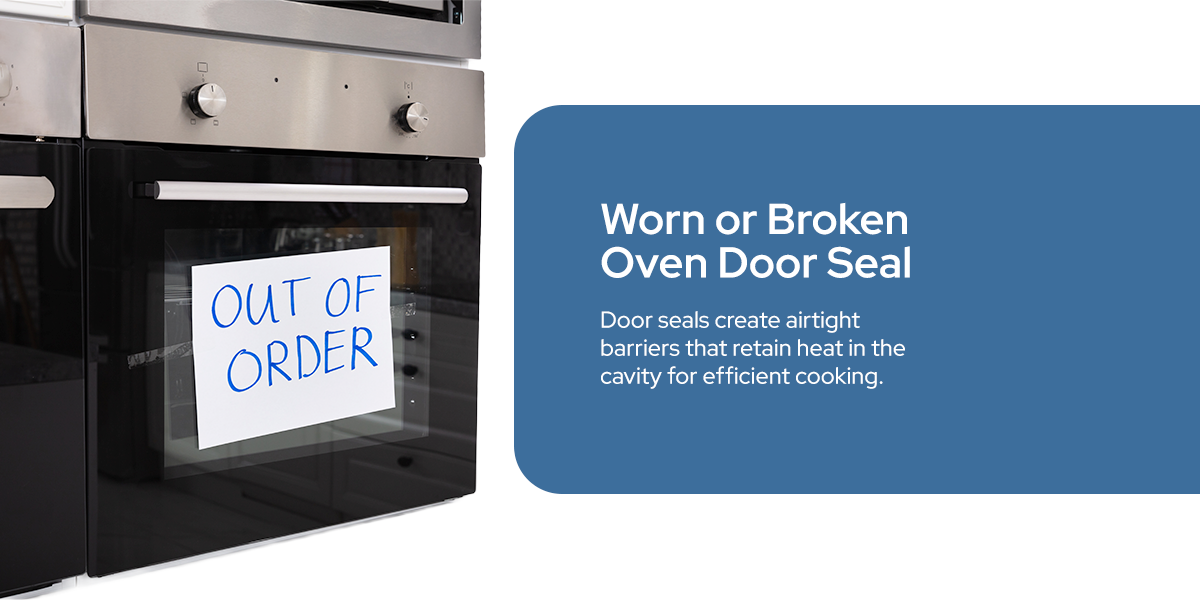
5. Worn or Broken Oven Door Seal
Door seals create airtight barriers that retain heat in the cavity for efficient cooking. However, aging rubber or silicone components crack, tear or lose flexibility over the years of use.
Compromised seals allow heat escape, forcing units to work harder while producing inferior cooking results. This increases energy costs, extends cooking times and creates uneven temperatures, affecting food quality.
Severely damaged seals prevent reaching the desired temperatures regardless of runtime. This efficiency loss affects both cooking performance and household energy costs for budget-conscious families.
Replacement seals restore energy efficiency and eliminate hot spots around the door area. Professional installation maximizes sealing effectiveness and prevents premature deterioration.
6. Electrical or Control Panel Issues
Sophisticated electronic systems manage heating elements, safety features, sensors and timing functions. Control board problems can cause symptoms ranging from minor performance issues to complete system shutdown. Electrical diagnostics require specialized tools and technical knowledge since circuit boards, wiring connections and power supplies interact in complex ways, demanding expert analysis for accurate troubleshooting.
Professional oven repair services are required to prevent component damage, ensure safety and maintain warranty coverage.
Quick Oven Diagnosis Guide
Use this reference to identify common oven problems and determine when to call for professional help:
| Symptom | Potential Cause | Recommended Action |
| Complete heating failure | Dead heating element, failed igniter, electrical fault | Call a specialized service for immediate assessment |
| Uneven cooking results | Damaged element, compromised door seal | Schedule a professional inspection |
| Incorrect temperatures | Thermostat malfunction, sensor failure | Temperature verification needed |
| Extended preheating | Weak igniter, significant heat loss | Professional efficiency evaluation |
| Error code displays | Control system malfunction | Expert diagnostic service required |
| Gas odor without ignition | Igniter failure, gas valve problem | Stop use immediately, call emergency service |
Professional diagnosis ensures accurate solutions and guaranteed satisfaction with transparent pricing. Avoid unnecessary disruptions to your cooking routine by partnering with an expert for repairs.
Frequently Asked Questions About Oven Heating Issues
Here are answers to the most frequent questions we receive about oven heating issues:
- How can I verify my oven’s temperature accuracy? Place an independent oven thermometer in the center cavity and allow 15-20 minutes for stabilization. Temperature differences exceeding 25 degrees suggest calibration or sensor problems requiring professional attention from appliance repair specialists.
- What causes extended preheating times in gas ovens? Extended preheating usually indicates a weakening igniter that still glows but generates insufficient heat for prompt ignition. This condition typically worsens gradually until complete failure occurs, requiring professional service.
- Is it safe to use an oven with a damaged door seal? Minor seal damage allows continued operation, while significant damage reduces efficiency and affects results. Prompt replacement maintains optimal performance and prevents energy waste for budget-conscious homeowners.
- What’s the typical lifespan of heating elements? Elements generally last several years with regular use, though longevity varies based on usage patterns and cooking habits. Replace when visible damage appears or heating becomes inadequate for reliable results.
- What areas around Columbus receive service? Quality repair services typically cover areas within 30 to 50 miles of Columbus, Ohio, ensuring fast response times for Central Ohio families who need reliable solutions.
- Do you service all oven brands? Our technicians work on all appliances regardless of brand, including Samsung, LG, Frigidaire, Magic Chef and all other major manufacturers, for comprehensive solutions.
Get Professional Oven Repair Service in Columbus Today
If your oven isn’t heating properly, don’t wait for the problem to get worse. At Economic Appliance Repair, we provide fast, reliable oven repair services in Columbus, OH. Serving Central Ohio for over 45 years and locally owned since 1985, our certified technicians are trained to handle complex wiring and control board issues for all major brands. Call us today at (614) 482-2797 or book a repair appointment to get your oven working perfectly again!
Popular Posts

Six Ways You May Accidentally Damage Your Dishwasher

Economic Appliance Service
How to Clean Your Oven Without Damaging It
Economic Appliance Service

Signs Your Dryer Needs Professional Repair